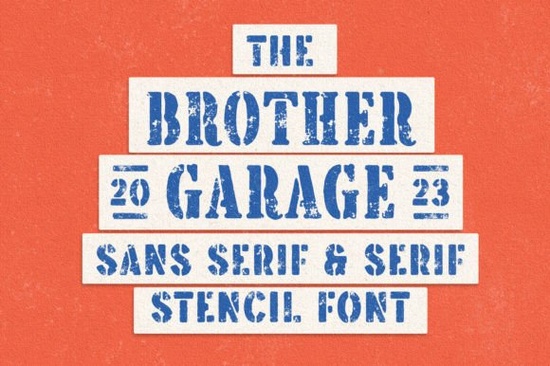
If you’ve been looking for a font that feels like it rolled straight out of a vintage motorcycle garage, Brother Garage Font might be exactly what your next project needs. It’s not just another display typeface it’s built with texture, grit, and character, perfect for designers who want to add authenticity without overdoing the retro effect. Whether you’re designing merch, posters, or branding for a small business, this collection gives you options: regular for clean lines, rough for weathered charm, and stamp for that inked-on-metal look.
What makes Brother Garage different from other display fonts?
Most stencil or vintage-inspired fonts lean heavily into one style either too polished or too distressed. Brother Garage strikes a balance. The three weights let you control how much “garage” you want in your design:
- Regular – Crisp edges, ideal for headlines or logos that need clarity but still carry attitude.
- Rough – Slightly worn textures, great for apparel or packaging that should feel handmade or aged.
- Stamp – Mimics ink-stamped metal plates, perfect for labels, patches, or anything meant to look industrial.
And because it includes both serif and sans serif versions, you can mix styles within the same project without clashing. That kind of flexibility is rare in themed fonts. If you’ve tried Thick Jungle or Punk Cyber before, you’ll notice Brother Garage doesn’t force a single mood it adapts.
Who actually uses this kind of font?
It’s surprisingly versatile. Print-on-demand sellers use it for t-shirt designs targeting motorcycle clubs, auto shops, or Father’s Day gifts. Small cafes and breweries pair it with hand-drawn icons for rustic signage. Crafters love it for laser-cut wood signs or vinyl decals. Even wedding designers have used the regular weight for “groomsmen” or “man cave” themes softened with script fonts, of course.
The real bonus? The 13 included illustrations. These aren’t clipart leftovers they’re detailed line drawings of wrenches, helmets, gas cans, and engines, all styled to match the font’s aesthetic. You can drop them right into your layout without hunting for compatible graphics. Think of them as pre-matched accessories: no extra styling needed.
How does it compare to similar retro fonts?
If you’ve browsed Creative Fabrica’s display section, you’ve probably seen Bigland Retro or University. Those are solid choices for diner signs or varsity jackets. But Brother Garage leans harder into mechanical, blue-collar energy. It doesn’t feel like a cartoon version of the past it feels like something that survived decades of grease and grit.
You can see how each font carries its own vibe by checking out Brother Garage Font alongside others. The difference becomes obvious when you mock up a logo or poster some fonts whisper nostalgia; this one revs the engine.
Any tips for using it without overdoing the theme?
Absolutely. Here’s what works:
- Pair it with simple sans serifs. Use Brother Garage for headlines only, then switch to a clean neutral font (like Montserrat or Lato) for body text. Keeps things readable.
- Don’t use all three styles at once. Pick one weight per project unless you’re intentionally going for layered chaos (like a collage or punk zine).
- Scale down the illustrations. They’re detailed, so shrinking them slightly helps them blend instead of overpowering your layout.
- Add subtle color. Try muted reds, oil-slick blacks, or faded denim blues. Avoid neon it clashes with the garage aesthetic.
Also, if you’re using it for commercial print, test prints early. The rough and stamp versions can lose detail on low-res printers. A quick proof run saves headaches later.
Where should I start if I’m new to themed fonts?
Start small. Try using just the regular weight for a headline on a social media graphic or product label. Add one illustration maybe the wrench or tire off to the side. See how it feels. If it fits, experiment with bolder applications. If not, you haven’t committed to a full rebrand.
Fonts like Brother Garage work best when they serve the message, not distract from it. So ask yourself: Does my audience connect with craftsmanship, rebellion, or nostalgia? If yes, this font will resonate. If you’re selling yoga mats or baby clothes, maybe skip it no amount of grit will make “serene mindfulness” look good in stamped metal letters.
Quick checklist before you buy:
- Do I need multiple weights (regular, rough, stamp)?
- Will the included illustrations save me time sourcing graphics?
- Is my brand or project aligned with garage, workshop, or vintage motor culture?
- Can I pair it with a simple secondary font for contrast?
If you answered yes to most of these, you’re ready to roll. Just remember good design isn’t about using every tool in the box. It’s about picking the right one, then letting it do the work.
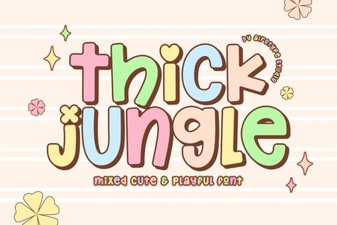 Craft Projects with the Thick Jungle Font Style
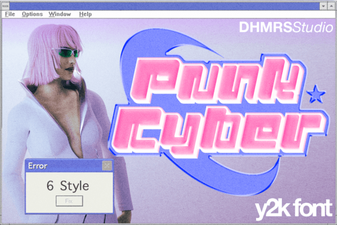 Punk Cyber Font: Design & Download Guide
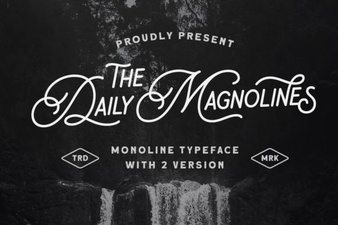 Daily Magnolines Font for Creative Projects
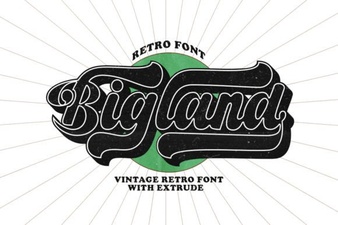 The Bigland Retro Font: Design & Creative Uses
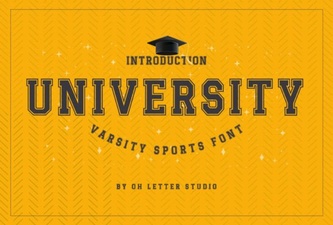 Branding Your Campus: University Font Design Guide
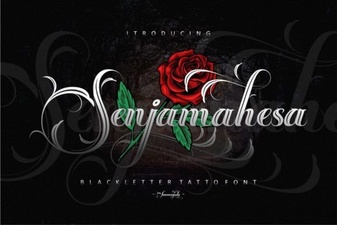 Senjamahesa Font: Elegant Typography for Your Designs